The Intricacies and Global Appeal of Mahjong
Mahjong, a game steeped in rich history and cultural significance, has transcended its origins to become a celebrated pastime worldwide. Known for its strategic depth and social aspect, Mahjong has captivated players across generations. In this article, we delve into the historical roots, rules, variants, and the growing fascination with Mahjong, using the keyword 8jl.
The Historical Roots of Mahjong
The game of Mahjong, believed to have been developed in China during the Qing dynasty, has evolved considerably since its inception. Originally played by royalty and nobles, Mahjong quickly permeated all social strata across China. While the origins of Mahjong are often debated, it's widely accepted that the game was formalized in the early 20th century during the Republican era. During this time, it began to take a recognizable form that would spread beyond Chinese borders.
Mahjong’s journey to the West began in the 1920s when Joseph P. Babcock, an American living in China, realized its potential for a broader audience. He adapted the game to fit Western sensibilities, creating a standardized set that piqued interest in the United States and Europe. This adaptation played a crucial role in establishing Mahjong as an integral part of global gaming culture.
Understanding the Rules and Structure of Mahjong
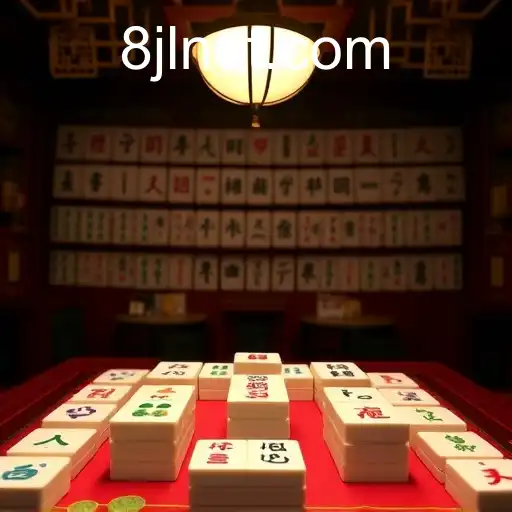
The objective of Mahjong is to build a winning hand by drawing and discarding tiles, akin to the card game Rummy. Each player receives a set of tiles, typically consisting of 144 tiles, although the number may vary depending on regional variants. The game is played by four players, with each taking turns to draw from the wall of tiles and discard unwanted ones.
A set of three to four tiles forms distinct combinations, such as "Pung" (three identical tiles), "Chow" (three consecutively numbered tiles of the same suit), and "Kong" (four identical tiles). The ultimate goal is to form a complete set, typically known as "Mahjong", and declare victory by revealing it.
Beyond its basic rules, Mahjong’s intricacy lies in its variants, each reflecting the cultural nuances of the regions they hail from. Popular versions include Hong Kong Mahjong, Riichi (Japanese Mahjong), and American Mahjong, each with unique rule modifications and scoring systems that add layers of complexity and strategic depth to the game.
Mahjong Variants and Global Impact
Hong Kong Style Mahjong is perhaps the most recognized form outside of mainland China. Known for its fast-paced nature and simple scoring, it attracts players seeking an accessible yet competitive gaming experience. Over recent decades, Hong Kong Mahjong tournaments have gained popularity, drawing international participants eager to showcase their skills.
Riichi Mahjong, the Japanese variant, adds unique elements such as complex scoring and the use of "Dora" tiles, augmenting the strategic dimension of gameplay. It is beloved for its blend of luck and skill, often found prominently in Japanese culture through media portrayals and competitive scenes.
American Mahjong, developed as an altered version to appeal to Western audiences, notably utilizes a distinctly different rulebook. This variant, popularized in the United States partly through the National Mah Jongg League, incorporates hands such as "Joker" tiles and pre-assigned "Quints", offering a refreshing twist to traditional formats.
The global appeal of Mahjong can be attributed to its flexibility and the appeal of its strategic elements. Various Mahjong tournaments are held worldwide, attracting both casual players and serious competitors. The Mahjong community thrives on both online and offline platforms, offering participants a multitude of avenues to engage with their passion.
Challenges and Opportunities in the Mahjong Community
Despite its popularity, Mahjong encounters challenges, particularly in overcoming generational shifts that affect its traditional prevalence. Modern distractions and gaming alternatives present competition, although initiatives to digitize Mahjong have proved successful in attracting younger audiences.
Technology continues to impact how Mahjong is played, fostering opportunities for online competitions and enhancing the accessibility of the game. Digital platforms allow players worldwide to connect, forming new communities that transcend geographic barriers. As Mahjong continues to adapt to modern trends, its timeless essence of camaraderie and tactical competition remains unchanged.
For enthusiasts and newcomers alike, this classic game's ability to unite people across cultures and backgrounds remains one of its greatest strengths. As we continue to explore and engage with Mahjong, the keyword 8jl symbolizes the enduring legacy of a game that deeply intertwines with our social fabric, celebrating communal joy and skill development.